
Central Gujarat’s Charotar region has grown tobacco for generations. Here is what makes its leaf distinctive — and why we source there.

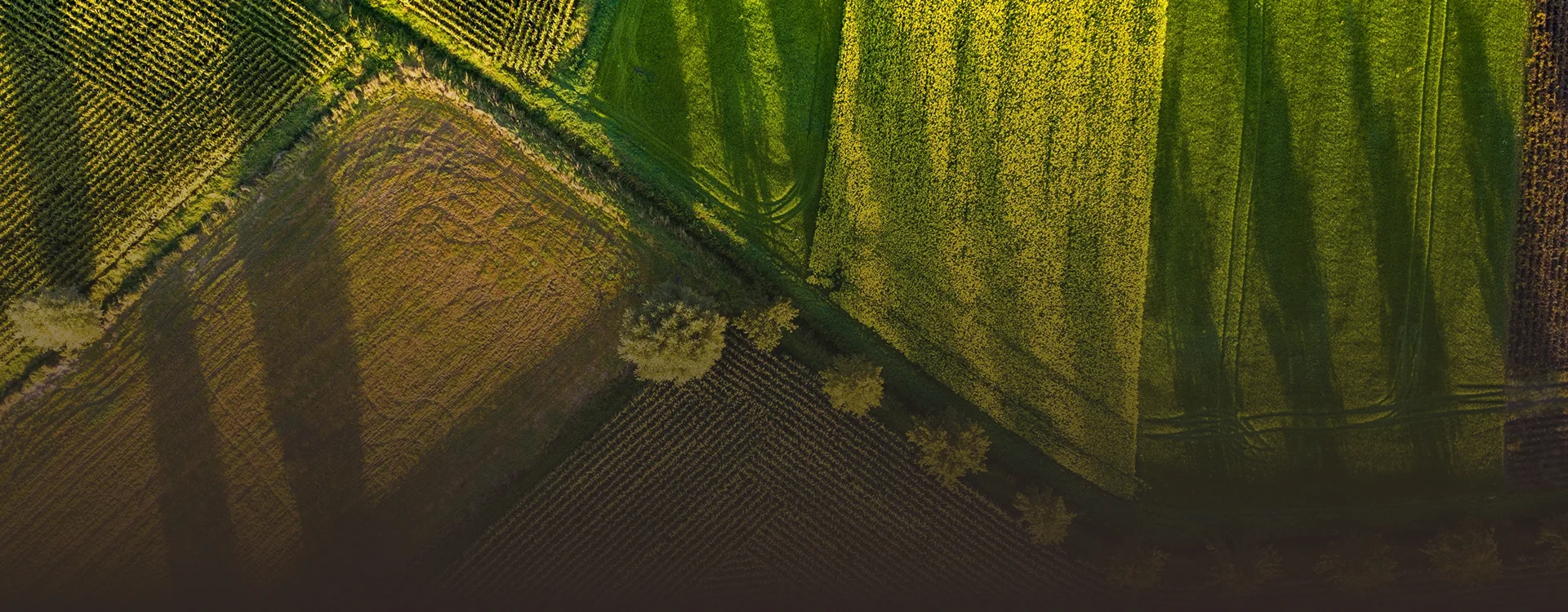
Ask anyone in the Indian tobacco trade about rustica and beedi leaf, and the conversation soon turns to Charotar. The fertile belt of central Gujarat, around the Kheda and Anand districts, has grown tobacco for generations, and its leaf has a character buyers recognise.
Region, curing and experience together give Charotar leaf its familiar golden colour and traditional aroma.
KMP Tobacco
A Region Built Around Tobacco
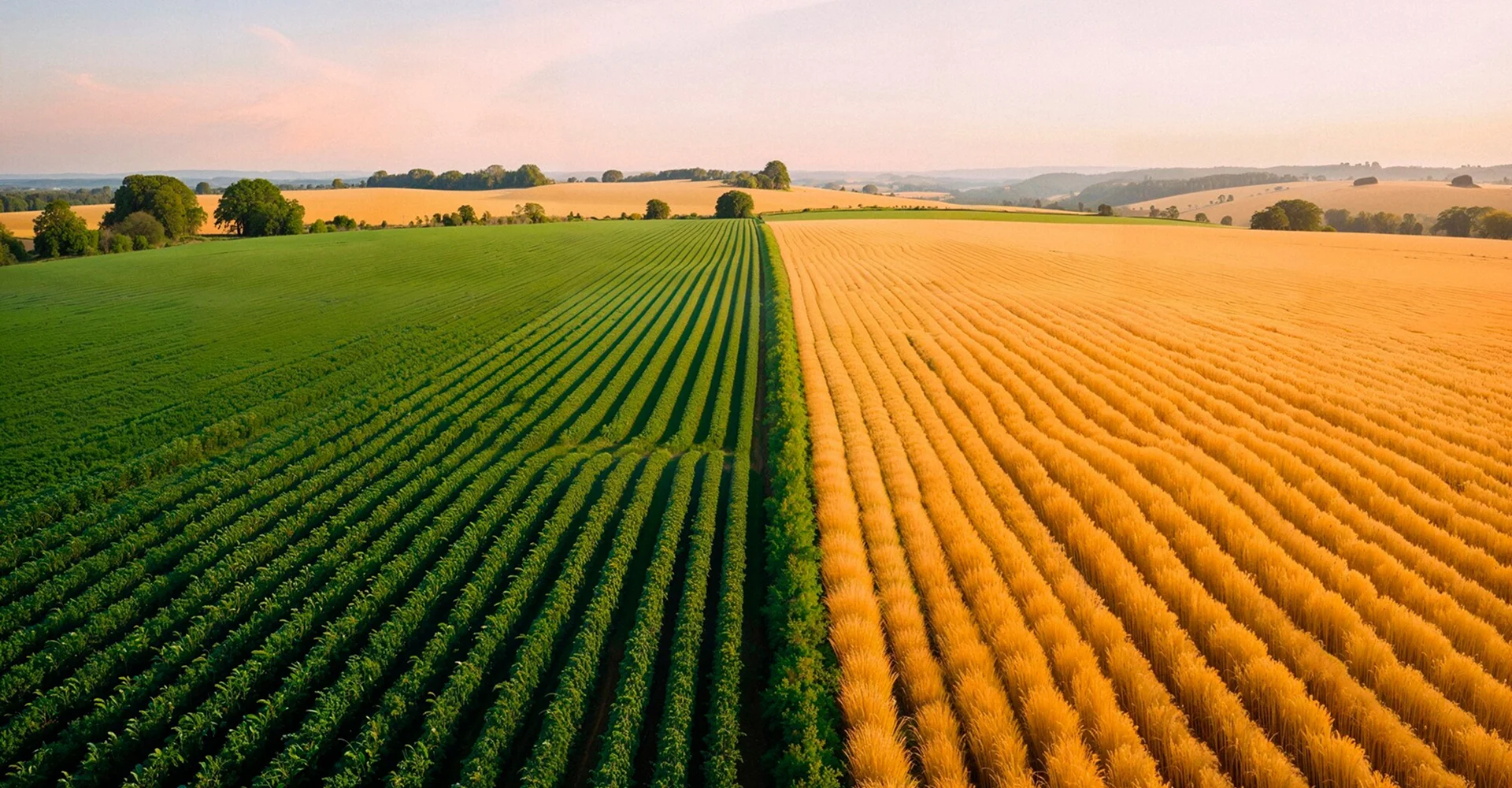
Charotar’s soils and climate suit tobacco, and farming families here have refined their growing and curing practices over many decades. That accumulated know-how is as important as the land itself.
Sun-Cured for Character
Much of the region’s leaf is sun-cured. Done well, this produces the golden-yellow to brown colour, traditional aroma and even texture that beedi and chewing-tobacco makers look for. Done poorly, it produces uneven lots — which is why grading after curing matters so much.
What Buyers Get
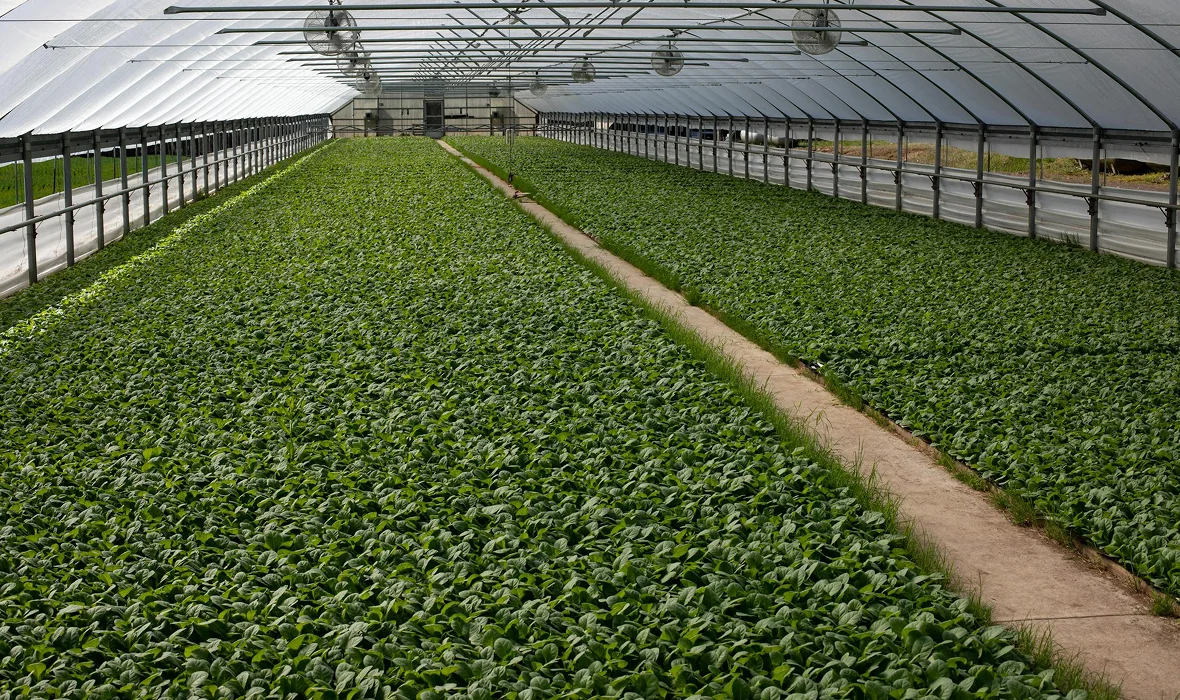
Charotar is the source of our premium-grade sun-cured Nicotiana rustica, often called Desi Bidi Tobacco, as well as region-specific rustica with higher nicotine for chewing and traditional processing. Every lot is graded before it is offered, with foreign matter kept below one percent.
Because we know the region and its growers, we can trace each lot back to farm level — something buyers increasingly ask for.